







Written by Dr. Gerardo Pérez-Camargo, DVM, Ph.D.
Dog food labels can feel like a mix of science and sales. Between bold claims, tiny fine print, and numbers that don't come with much context, it's easy to miss what matters most.
Veterinarians look past front-of-bag claims and read the label as a whole. They prioritize the AAFCO nutritional adequacy statement, ingredient list, and guaranteed analysis, then assess the rest of the information on the package to understand how the food fits into your dog's overall nutrition.
In this guide, you'll learn how to read a dog-food label the same way – what's legally required, how to work through the label step by step, and which phrases actually mean something vs. which are pure marketing.
You'll also see how Freshpet fits into AAFCO and WSAVA frameworks so you can connect what you see on the package to science-backed nutrition.
Every dog food label must include a standard set of items shaped by AAFCO model regulations and enforced by the FDA and state feed control officials. These make labels comparable and prevent misleading claims.
Current US regulations require that dog-food labels include:
These required elements are the backbone of label transparency. Once you know where to find them, you can compare foods based on regulated, science-based information, not just front-of-bag marketing.
To read a dog food label, start with the product name, then work through the nutritional adequacy statement, ingredient list, and nutrient details to understand how the food is intended to be used.
Veterinarians follow this same approach, using nutritional adequacy as a key checkpoint while considering how each section of the label fits together.
Think of the process like this:
There's more happening in a product name than most people realize.
On a dog-food label, the product name isn't just branding, it's regulated. Under AAFCO rules, specific words and phrases in the name determine how much of a highlighted ingredient must actually be included in the formula.
Before you even reach the ingredient list, the name has already set legal boundaries for what's inside the bag.
Here's how those rules work:
This is the most important checkpoint on the label. It tells you which life stage the recipe is intended for and confirms whether the food is complete and balanced.
Under AAFCO model regulations, every complete and balanced pet food must carry a nutritional adequacy statement. You'll usually see one of three phrasings:
You'll also see intended use clearly stated: growth, reproduction, adult maintenance, all life stages, or "for intermittent or supplemental feeding only" (which means it should not be fed as a sole diet).
Board-certified veterinary nutritionists and organizations like WSAVA consistently emphasize this statement as a primary checkpoint for diet credibility.
The ingredients are listed in descending order by weight (including water).
Veterinarians look beyond the first ingredient and evaluate whether proteins are clearly named, whether meals or by-products are used appropriately, and whether the recipe includes functional nutrients that support overall health.
Because ingredients are ordered by pre-cooking weight, fresh meats like "chicken" often appear first due to their moisture content, while concentrated ingredients (such as chicken meal) may contribute more usable nutrients after cooking. That's why vets assess the entire formulation, not just the headline ingredient.
Key details vets consider include:
No single ingredient makes a food "good" or "bad." What matters is whether the complete formulation, supported by the nutritional adequacy statement and nutrient profile, meets evidence-based standards.
The guaranteed analysis lists the amounts of key nutrients in the food, expressed as minimums or maximums.
AAFCO requires listed guarantees for at least:
"Crude" refers to the laboratory method used to measure nutrients – not ingredient quality.
Many brands voluntarily include additional guarantees, such as calcium, phosphorus, omega-3 fatty acids, or specific vitamins, to provide more transparency.
Because moisture levels vary significantly between dry, canned, and fresh foods, veterinarians often convert these values to a dry-matter basis when comparing products.
Ideal nutrient ranges depend on life stage, health status, and energy needs, which is why a large-breed puppy, a senior dog, and a highly active adult won't share the same nutritional targets.
Calories are listed on the label in kilocalories of metabolizable energy (kcal ME), typically per kilogram and per cup, can, or roll. Knowing the calorie content helps you adjust daily feeding amounts to match your dog's size, activity level, and energy needs.
The label's feeding guidelines provide an estimate of how much food to offer per day based on your dog's weight. These amounts are general recommendations and may need adjustment depending on age, activity level, and body condition.
Look for high-quality animal proteins (like chicken, beef, or fish) as the first ingredient, followed by appropriate carbohydrate sources, such as whole grains or other digestible starches, depending on the formula.
You should also ensure the formula contains natural preservatives and check for the AAFCO nutritional adequacy statement to ensure a balanced diet.
Some label terms – like "natural," "organic," "human-grade," and "lite" – have legal definitions or standards. Others – like "premium," "holistic," and "gourmet" – are pure marketing with no regulated nutritional meaning. Knowing the difference keeps you from over-valuing buzzwords.
These claims must meet specific standards set by AAFCO, USDA, or other authorities:
Grain-free and some human-grade uses can appear on regulated labels, but they don't inherently mean better nutrition or safety. WSAVA and veterinary nutritionists emphasize that the AAFCO nutritional adequacy statement is still the most reliable indicator that a food is complete and balanced.
These sound impressive but have no legal definition in pet-food regulations:
WSAVA's Global Nutrition Committee specifically lists terms like "holistic" and "premium," and others as examples of marketing language that adds little practical value when you're assessing nutrition.
Before switching to a grain-free, low-fat, or other specialty diet based on front-of-bag claims, it's wise to consult your veterinarian – ideally one with advanced training or board certification in nutrition (ACVN/ECVCN) – to ensure the food supports your dog's specific health needs.
High-quality brands don't just meet minimum rules; they show their work. Vets and informed pet owners look for transparent manufacturer details, traceable batches, clear AAFCO statements, and evidence of real quality-control testing aligned with WSAVA recommendations.
Key label-level signals of safety and quality include:
WSAVA's Guidelines on Selecting Pet Foods explicitly advise asking who formulates the diets, whether they conduct AAFCO feeding trials, and what quality-control measures are in place. Brands that answer these questions clearly and align their labels with those answers tend to be the ones veterinarians trust.
Pet Food Label Modernization (PFLM) is a regulatory update to AAFCO's model labeling framework that standardizes and modernizes how pet-food information is presented. All pet food and pet supplements must transition to the updated format by January 2030.
The PFLM initiative was developed through AAFCO's Pet Food Label Modernization working group in collaboration with regulators, industry stakeholders, and veterinary experts. While the FDA and state feed control officials continue to enforce labeling laws, AAFCO provides the model regulations that states adopt.
What's changing under PFLM?
The modernization effort focuses on clarity, consistency, and improved consumer understanding. Key updates include:
What does this mean for pet owners?
Between now and January 2030, you may start seeing new label formats appear on shelves. Some companies are already transitioning early.
Importantly, the core scientific standards do not change — foods must still meet AAFCO nutrient profiles or feeding-trial requirements to be labeled complete and balanced. What's changing is how the information is organized and displayed, not the underlying nutritional rules.
For pet owners, that means labels should become:
Veterinary nutritionists and organizations like WSAVA continue to emphasize that, regardless of formatting updates, the most important line to check remains the AAFCO nutritional adequacy statement.
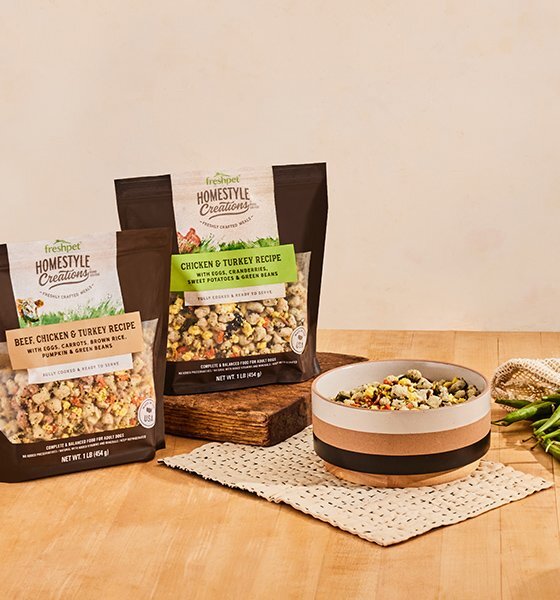
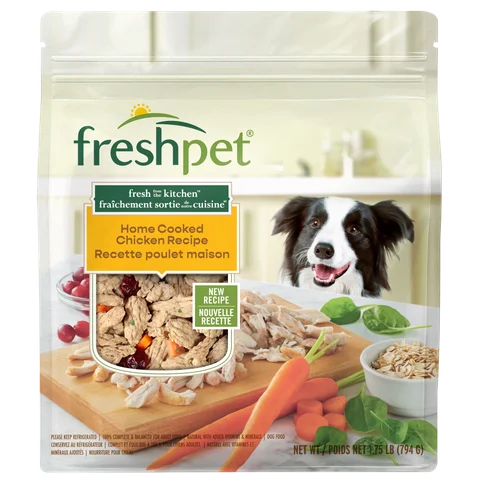
At Freshpet, we design our labels to reflect how our food is actually formulated, tested, and made. Our recipes are built to meet AAFCO nutrient profiles and are validated through a combination of laboratory analysis and feeding trials, depending on the formula.
That information shows up clearly on the label, alongside straightforward ingredient naming, life-stage-specific adequacy statements, and traceable manufacturing details.
Here's how that shows up in practice:
All of this means that when you read a Freshpet label, you can interpret it using the same vet-driven framework covered in this guide.
You can tell a fresh dog food brand uses high-quality ingredients by checking for clear protein sourcing, transparent labeling, and AAFCO-backed nutritional adequacy.
Start by looking at the ingredient list. High-quality fresh foods typically name specific animal proteins (like chicken, beef, or salmon) rather than vague terms like "meat" or "animal by-products." You should also see recognizable whole-food ingredients such as vegetables, grains, or fruits that support balanced nutrition.
Next, verify the AAFCO nutritional adequacy statement. Even fresh foods must be complete and balanced for a life stage to serve as a primary diet. Without this, the food may be intended only for supplemental feeding.
Finally, look for transparency signals from the brand. These include:
Fresh food alone doesn't guarantee quality. What matters is whether the full formulation meets established nutritional standards and is backed by clear, verifiable labeling.
You should avoid dog food ingredients that are unsafe, poorly defined, or unnecessary for nutrition, especially when they replace higher-quality alternatives.
Ingredients to avoid fall into three main categories. First are artificial preservatives like BHA, BHT, and ethoxyquin, which have raised safety concerns in animal studies and are largely being replaced by natural preservation methods such as mixed tocopherols (vitamin E).
Second are artificial colors and flavors, which add no nutritional value and are used primarily for human appeal, not canine health.
Third are vague or generic ingredient labels, such as "animal fat" or "meat by-products" without species identification. While regulated by AAFCO, these terms provide less transparency and make it harder to assess ingredient quality.
It's also important to evaluate context. Ingredients like corn, wheat, or soy are not inherently harmful, but they may be less digestible or less nutrient-dense depending on the formulation and the individual dog.
Instead of focusing on single "bad" ingredients, veterinarians recommend evaluating the entire diet, including its nutritional adequacy, digestibility, and how well it supports your dog's health.
The first five ingredients in dog food should include clearly named animal proteins, supportive fat sources, and digestible carbohydrates or fiber sources that contribute to balanced nutrition.
Because ingredients are listed by weight before cooking, the first several ingredients give a general sense of the formula's composition. In most high-quality dog foods, you'll typically see:
However, the "first five ingredients" rule has limits. Fresh meats contain a high percentage of water, which can push them higher on the list even if they contribute less protein after cooking compared to concentrated ingredients like meat meals.
Veterinarians evaluate the entire ingredient list alongside the guaranteed analysis and AAFCO statement. A balanced formula matters more than the exact order of the first few ingredients.
You can tell if a dog food brand is truly high quality by prioritizing regulated label information and verifiable practices over front-of-package marketing claims.
Start with the AAFCO nutritional adequacy statement. This confirms whether the food is complete and balanced for a specific life stage, which is the most important baseline for nutritional quality.
Next, evaluate transparency. High-quality brands clearly disclose:
Then compare ingredient clarity and consistency. Reliable brands use specific ingredient names and maintain consistent labeling across their product lines.
Finally, be cautious with marketing language. Terms like "premium," "holistic," and "gourmet" have no regulatory definition and do not indicate nutritional quality. Even regulated claims like "natural" or "grain-free" do not guarantee a better or safer diet.
Veterinary organizations like WSAVA recommend focusing on formulation expertise, quality control, and nutritional adequacy rather than branding language.
You can compare dog food labels effectively by evaluating standardized, regulated elements rather than relying on marketing claims.
Start by comparing the AAFCO nutritional adequacy statements. Both foods should be complete and balanced for the same life stage to be a fair comparison.
Next, review the guaranteed analysis. Look at protein, fat, and fiber levels, but adjust for moisture differences if you're comparing dry, canned, and fresh foods. Converting to a dry-matter basis gives a more accurate comparison.
Then examine calorie content. Foods with different calorie densities require different feeding amounts, which affects portion size and total nutrient intake.
After that, compare ingredient lists. Focus on:
Finally, consider manufacturer transparency and safety practices, including traceability and quality-control testing.
A "better" dog food is one that matches your dog's specific needs while meeting established nutritional standards — not simply the one with the most appealing label.
The difference between whole food ingredients and processed ingredients in dog food comes down to how much the ingredient has been altered from its original state and how nutrients are delivered.
Whole food ingredients are minimally processed and remain close to their natural form. Examples include fresh chicken, carrots, spinach, or brown rice. These ingredients often provide a combination of nutrients, fiber, and natural compounds that support digestion and overall health.
Processed ingredients, such as meals, isolates, or rendered products, have been altered to concentrate specific nutrients. For example, chicken meal is produced by removing water and fat, resulting in a dense protein source.
Processing is not inherently negative. In fact, some processed ingredients improve nutrient consistency, shelf stability, and digestibility. Many complete and balanced diets rely on a combination of whole and processed ingredients to meet AAFCO nutrient profiles.
Veterinarians focus less on whether an ingredient is "processed" and more on whether the final formulation delivers complete, balanced, and bioavailable nutrition for the dog.


pet wellness
The ultimate guide to choosing the best food for a picky pup.
pet wellness
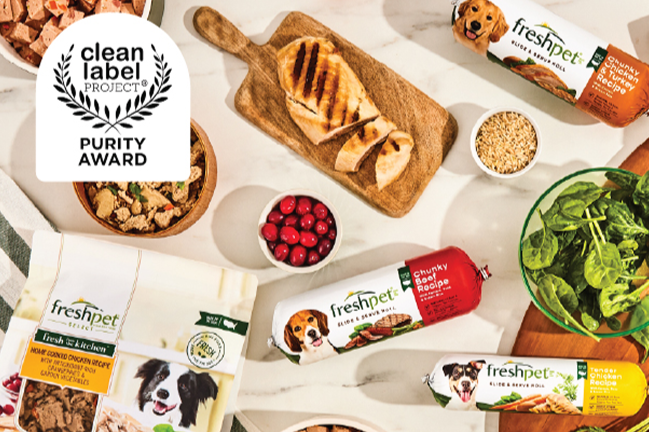
Learn how Freshpet earned Clean Label Certification and the prestigious Purity Award across its full U.S. product line.